20 June 2023
Euroconsumers challenges Netflix' deceptive use of dark patterns through legal action
Read More

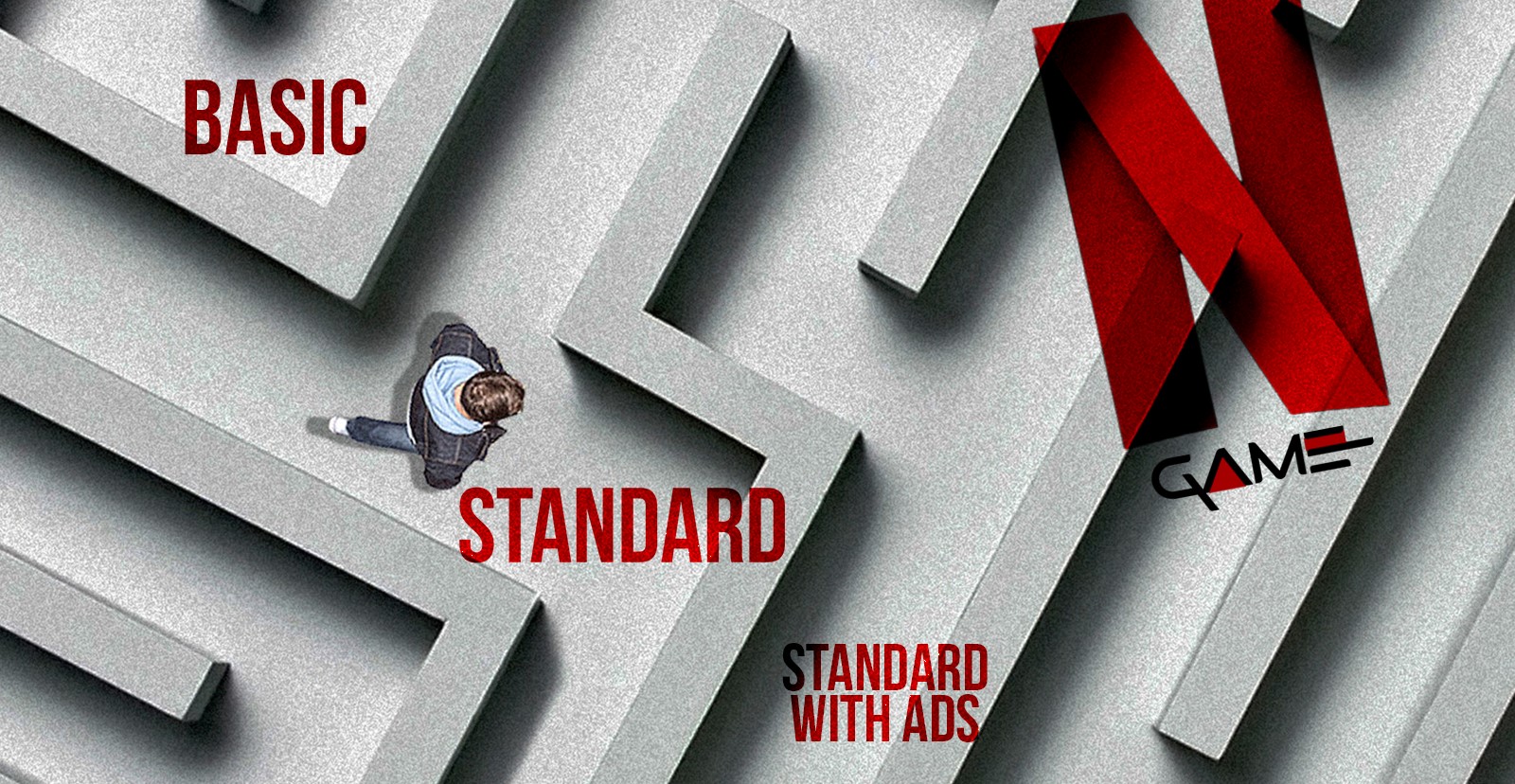
Euroconsumers is firmly opposing Netflix's misleading display of subscription plans, which not only compromises consumers' right to transparent and easily accessible information but also verges on dark patterns. This stance is particularly relevant as Netflix's new account policy encourages consumers to explore various options, making a clear overview of available plans more necessary than ever.
Hidden plans, a misleading picture
Netflix once embraced password sharing, famously tweeting that “love is sharing a password”. Since early 2023, it has done the opposite, cracking down on account sharing worldwide. Users must now designate a primary location, connect all devices to the same Wi-Fi network and have the main account holder verify devices outside the household.
What this means in practice for consumers?
This clashes with how families live today. Children in student housing or relatives travelling abroad suddenly face obstacles to using a service they have paid for: access to multiple screens. The new policy also raises concerns about consumers’ privacy and security, due to continuous monitoring of IP addresses, and questions about the use of VPNs.
Even more concerning is how Netflix presents its subscription plans, just as its new policy pushes consumers to reconsider their options. In Italy and Spain, the cheaper “Basic” plan was not shown in the initial overview and only appeared after clicking “see all plans”. Consumers were given the impression that their only choice was between a plan with ads and the more expensive “Standard” plan.
Euroconsumers steps in
Euroconsumers set out these concerns in a letter to Netflix on 29 May, followed by a meeting in early June. Netflix described the password-sharing policy as a “commercial decision”. While consumers may find it unfair, such a decision is not illegal in itself, and consumers remain free to decide whether the service is still worth it. Euroconsumers’ organisations will continue to support them with objective information on Netflix and other streaming services.
What is illegal, however, is denying consumers transparent and easily accessible information on all available plans. Under the European Commission’s guidance on the Unfair Commercial Practices Directive, interface designs that obscure important information or order options to push consumers towards a specific choice can qualify as misleading actions or omissions.
A complaint for the use of dark patterns
Euroconsumers argues that Netflix’s display of subscription plans not only undermines consumers’ right to clear information but borders on dark patterns: deceptive designs intended to trick users into certain choices. Altroconsumo and OCU have therefore filed official complaints for misleading commercial practices with the Italian competition authority (AGCM) and the Spanish authority (CNMC). As the practice also appears to affect France and Germany, authorities can treat it as a widespread infringement and coordinate their response.
Our call
Commercial decisions must never be an excuse to deceive consumers. Euroconsumers and its members urge Netflix to promptly change its practices and give consumers a clear, complete and fair overview of all subscription options.
Letters, complaints and collective actions, with the documents that back them.
