



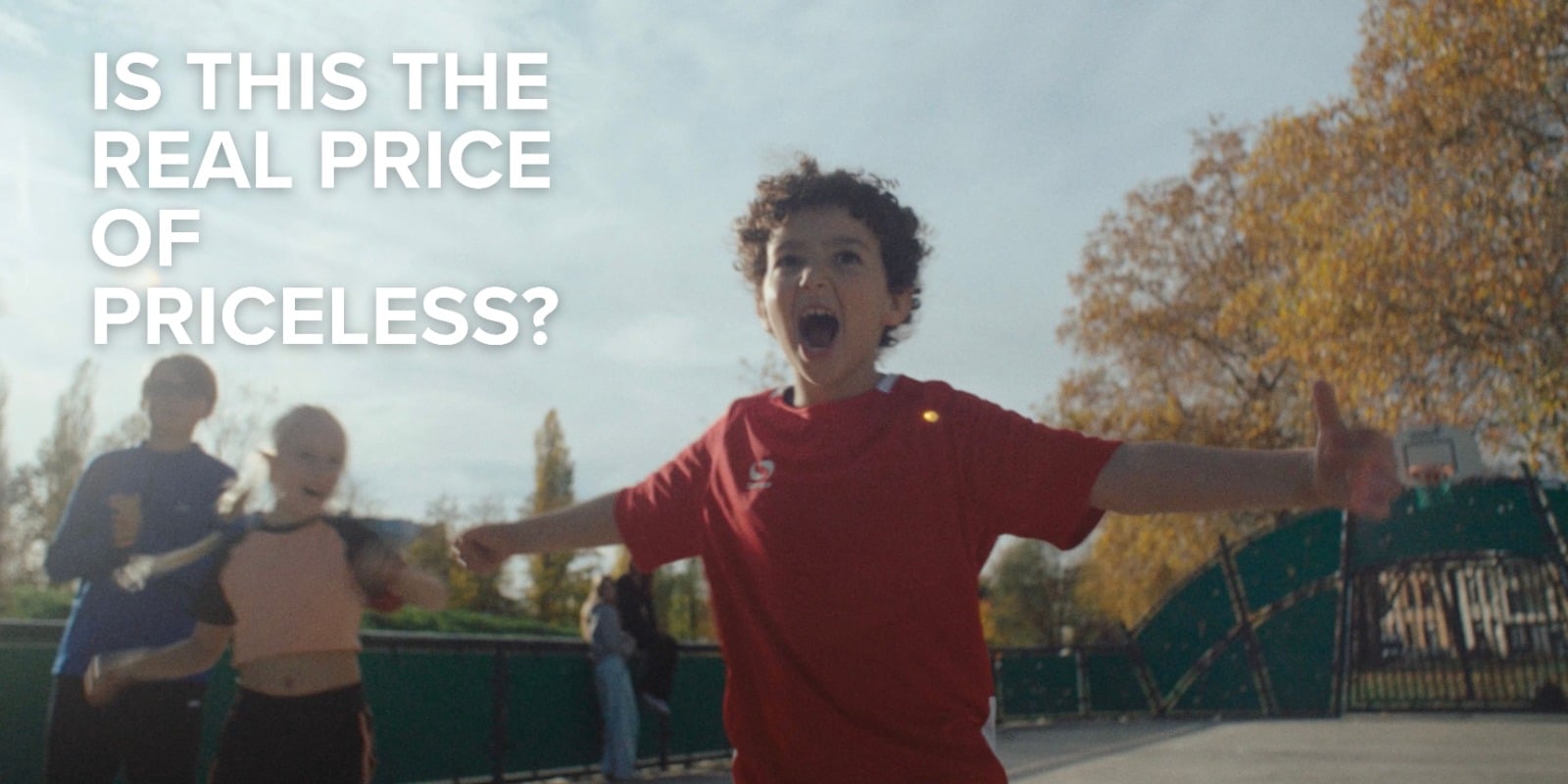
Live events bring us together and create memories that last a lifetime, but unfair dynamic pricing is putting them out of reach. With The Real Price of Priceless campaign, Euroconsumers calls for a ban on dynamic pricing for concerts, theatre and sporting events, to restore fair, transparent and affordable access to culture and sport for everyone.
When one seller sets the price of a memory
Concerts, theatre and sporting matches are moments we treasure. They bring people together and create experiences that feel truly priceless. But today, the real price of these moments is increasingly out of reach, because of unfair dynamic pricing.
What is dynamic pricing?
With dynamic pricing, ticket prices are no longer fixed. Instead, algorithms adjust them in real time based on demand and other variables, such as market trends, the time of year and competitors’ prices.
Why is it a problem for live events?
Dynamic pricing can play a legitimate role in competitive markets. Designed fairly and transparently, it can help smooth demand, improve access and make pricing more efficient. But live events are rarely a competitive market. They are often dominated by a single organiser or ticket seller, leaving fans no alternative. If you want to see a particular artist, attend a specific performance or support your national team, there is only one place to buy a ticket, on one date, in one location.
In such a captive, emotionally charged market, fair dynamic pricing becomes an illusion. It stops being a tool for market efficiency and becomes a way to extract the maximum from fans.
What this means in practice for fans?
Fans are pushed into a bidding contest where prices only go up, sometimes dramatically, in real time. A €50 ticket can double or triple within hours, simply because the algorithm decides so.
Fans are punished for their enthusiasm: the more people want to attend, the more expensive it gets.
There is no added value: unlike better seats or extra services, dynamic pricing does not improve the experience. The show, the match and the seat stay exactly the same; only the price changes.
People are excluded: everyone who cannot or will not pay inflated prices for the same experience is shut out.
Trust is destroyed: when prices feel unpredictable and exploitative, fans lose faith in event organisers and ticket platforms, and in a fair digital market as a whole.
Why this matters now: the FIFA World Cup
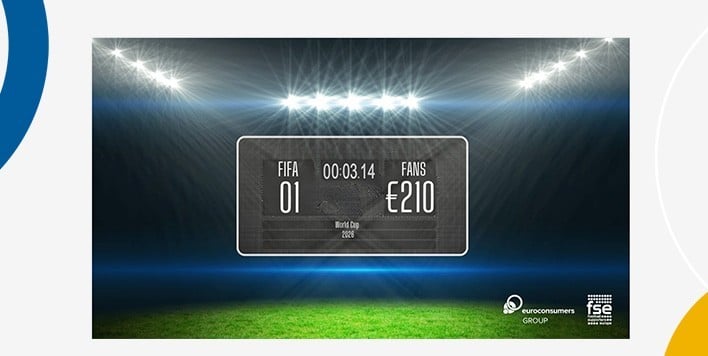
FIFA’s use of dynamic pricing for World Cup 2026 tickets shows how urgent this issue has become. The World Cup is a moment millions of fans dream of experiencing, yet there are no alternative sellers, no competing platforms and no way to buy elsewhere. In this fully captive market, prices can soar without explanation or limits, and fans may pay dramatically different prices for the exact same seat simply because demand is high. Without meaningful safeguards or transparency, this model risks excluding the very supporters who bring the World Cup to life.
Our call
Euroconsumers believes in transparent, fair and fixed ticket prices that reflect the real cost of putting on an event, not the maximum fans can be made to pay. We urge regulators, event organisers and ticketing platforms to ban dynamic pricing in live events and make culture and sport accessible to everyone again.
Because the value of an experience isn’t in the money spent, it’s in the memories made.
The complaint started as a position on dynamic pricing, supported by a campaign that brought the practice into the spotlight
We wrote to FIFA twice with the evidence. The complaint followed only when the answers did not come.
Dominance market position used against the fans who have no alternative.
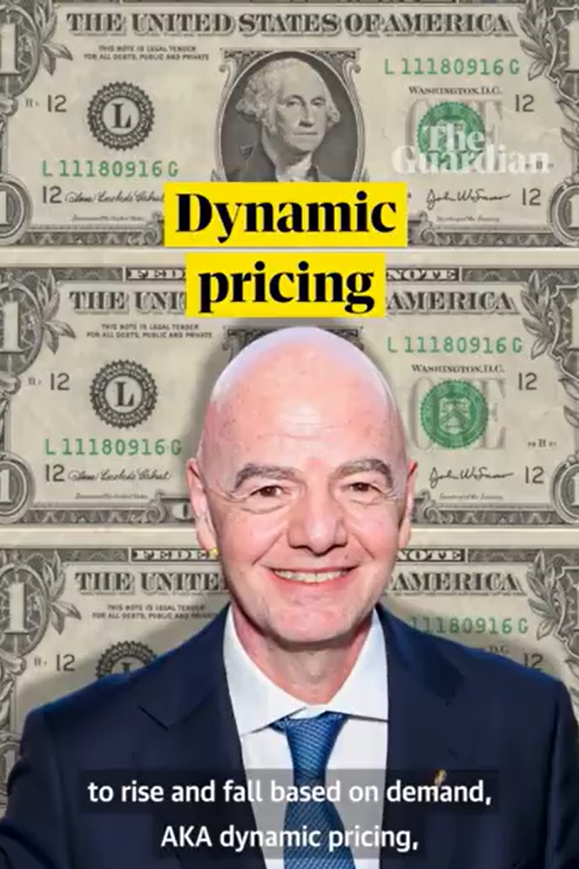
When fans can only buy that one ticket for that one event from that one seller, their passion risks being squeezed out for money. That is a market failure. We call on legislators to introduce a targeted ban on dynamic pricing in live events under the upcoming Digital Fairness Act.

Panels and meetings where this case was on the table. Everything we said is on the record.
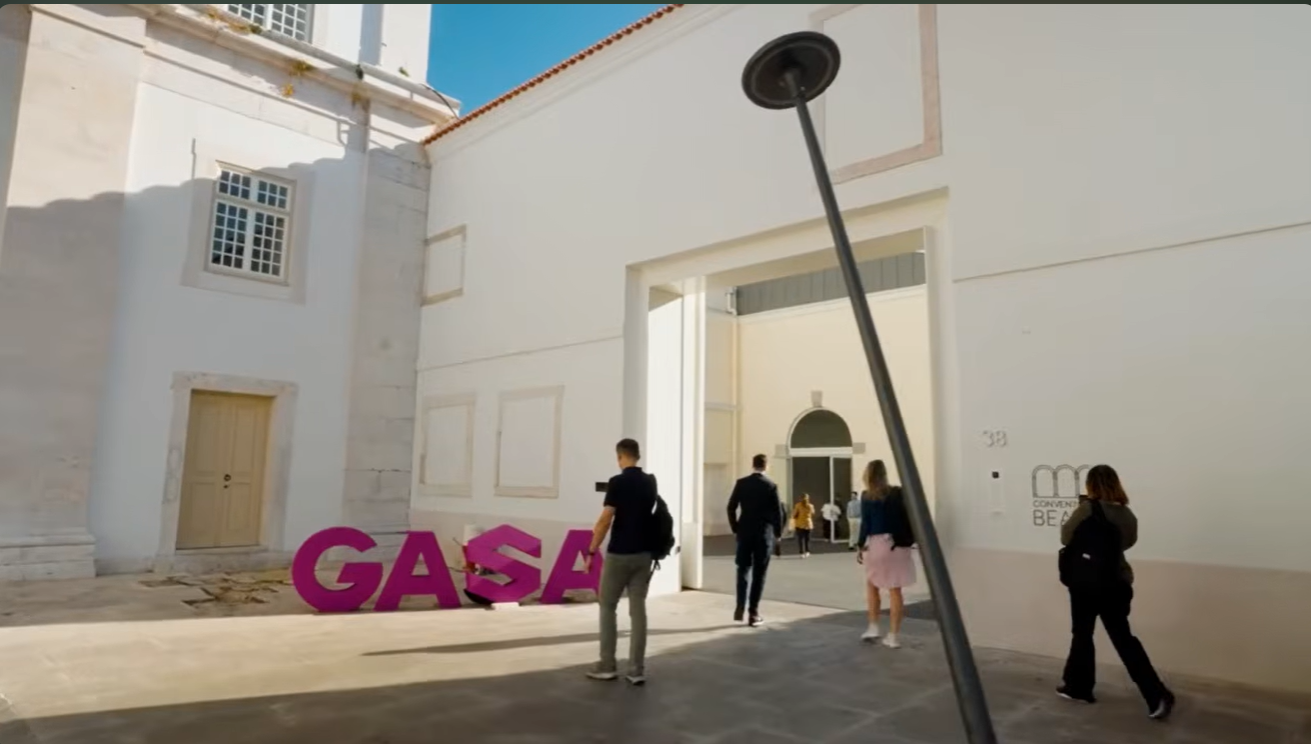
Check out the interviews with João Ribeiro (Country Manager at DECO PROteste), Giles Thomson (Vice President of the Financial Action Task Force),Johan Almenberg (Director General of Finansinspektionen), Jean-Jacques Sahel (Global Scams Policy Lead at Google) and Andrei Skorobogatov (Director – Policy at the Global Anti-Scam Alliance).
Watch here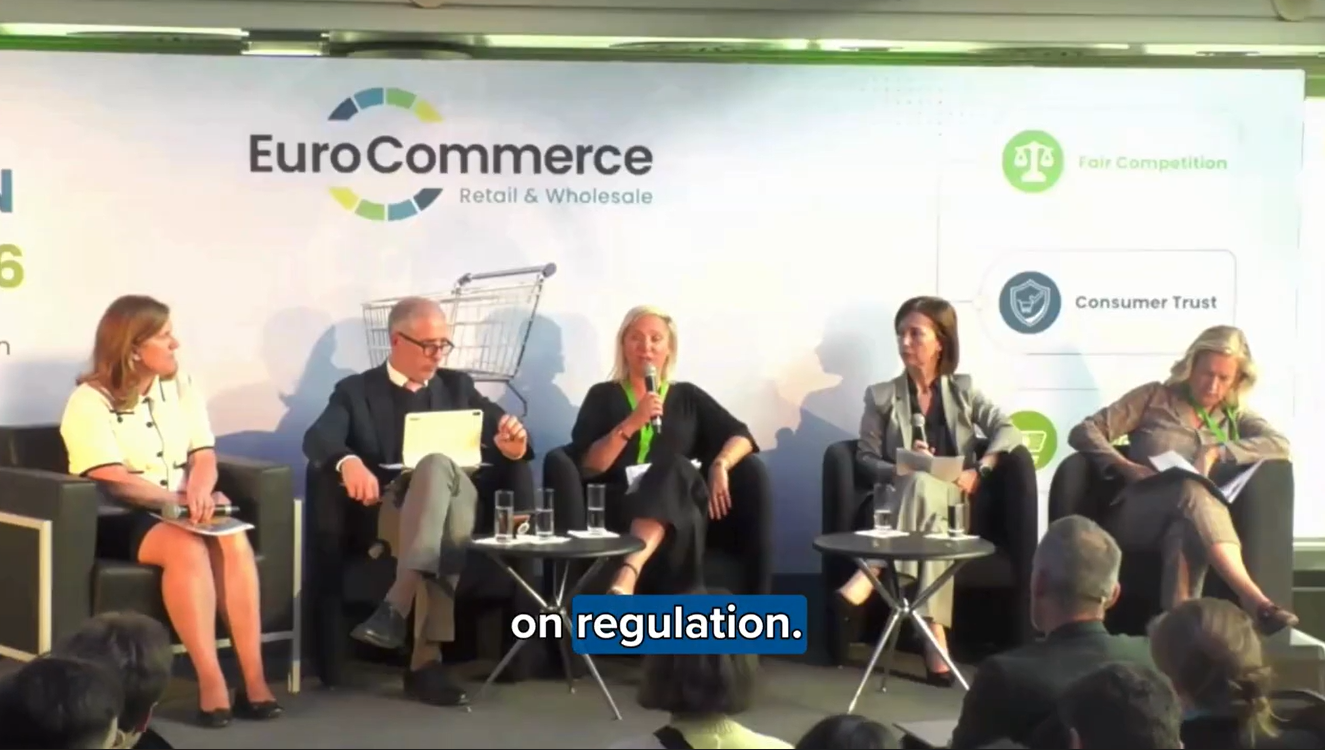
At the Retail Innovation Summit 2026, the panel “Empowering and Protecting Consumers in the EU” explored how to balance consumer protection, innovation and fair competition. Check out the intervention of Els Bruggeman, Head of Advocacy, Enforcement and Communication at Euroconsumers, to discover Euroconsumers’ perspective on the key challenges shaping the digital consumer landscape.
Watch here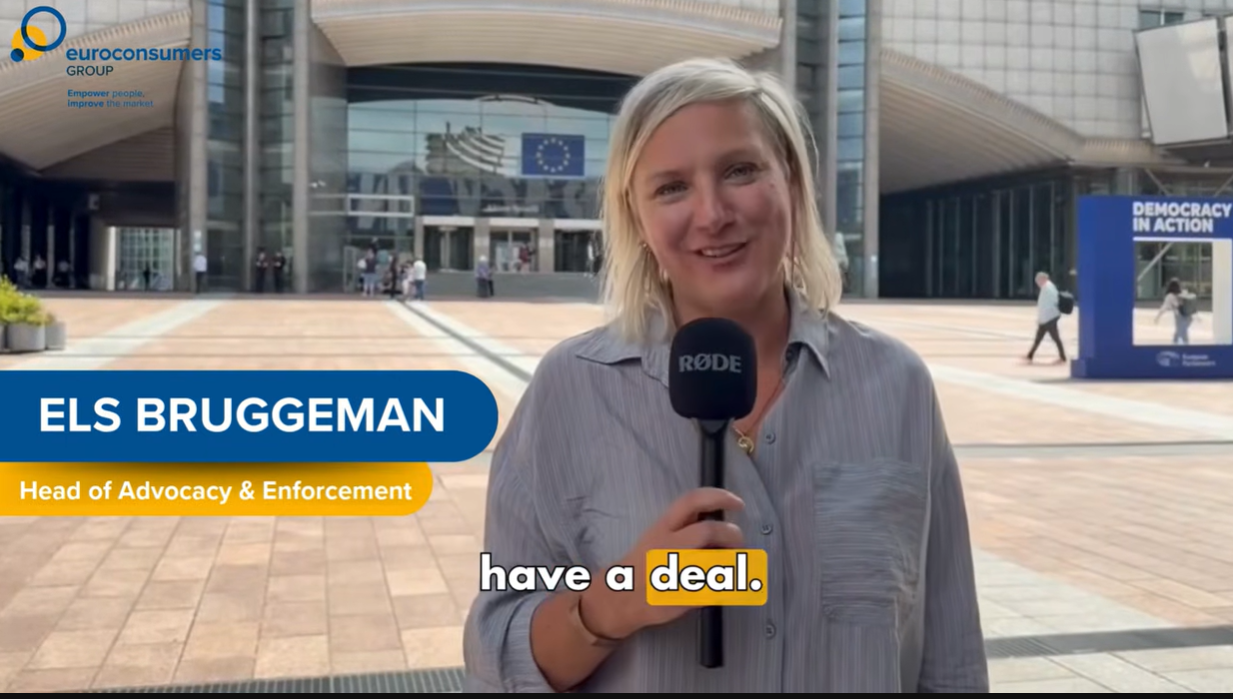
Euroconsumers welcomes greater certainty for air passengers. Clearer rules are a step forward, but too many passengers still miss out on the compensation they deserve. We will continue fighting for effective enforcement and fairer air travel for all.
Watch hereLetters, complaints and collective actions, with the documents that back them.