



 All webinars


Wed | Jun 12 | 15:00 CET
The market in dietary supplements like vitamins, minerals, enzymes, amino acids and botanical extracts is big business. They are often marketed as a positive way to proactively manage health and wellbeing. Step into any pharmacy, health food store, supermarkets and you’ll find an array of tablets, powders, drops and gummies that promise better sleep, younger skin, healthier joints, more energy, a stronger immune system and that elusive flat stomach. Some even offer the option to replace prescription medication. Online, brands can personalize ads to particular age groups and lifestyles, and influencers can make the most of social commerce to endorse miracle results.
Of course, in some circumstances like being pregnant or recovering from illness, supplements can be really useful. But for the majority of the population, a balanced and varied diet should be enough to provide all the body’s necessary nutrients. In some cases food supplements can even be detrimental for your health.
Are we in a magical world of wellbeing or deep, dense forest of fantasy?
 Relive this Webinar



Director General at EHPM - European Federation of Associations of Health Products Manufacturers
See on LinkedIn
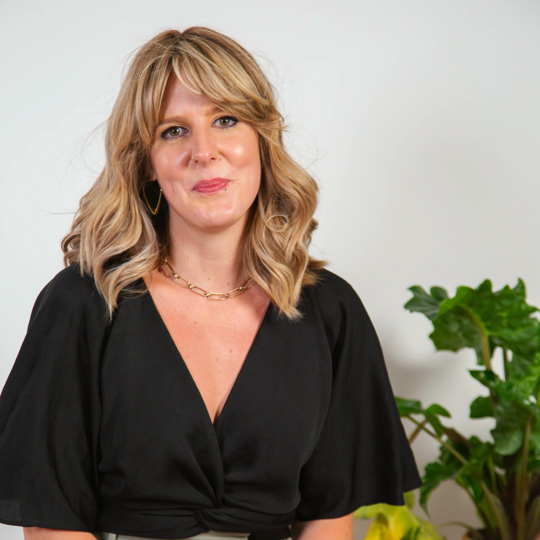
Are consumers equipped with the right information to take control of their nutritional needs?
Is there scientific evidence to back up the claims?
Is enough care given to providing the right information about how they interact with other supplements or prescription medication?
What else would help consumers be empowered in their dietary intake?
Are brands blurring the legal distinction between food supplements and medicines - which have much stricter controls on safety and sales.
Does EU legislation on health claims need an update?
What’s the role and responsibility of influencers in the big business of food supplements?
And what about enforcement?