
News
28.07.2026
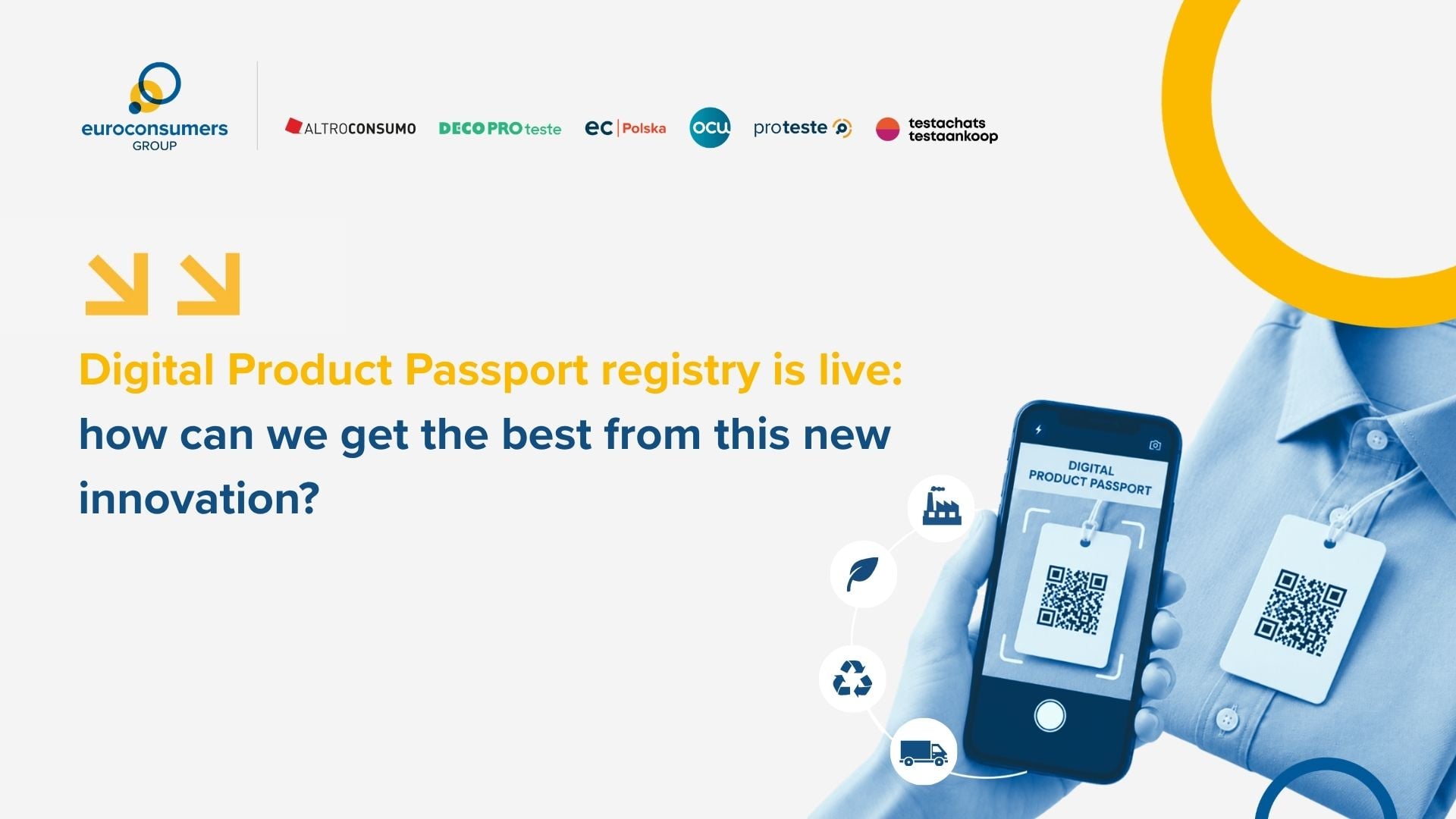
Digital Product Passport registry is live: how can we get the best from thi...
The central registry for the EU Digital Product Passport goes live this month.
Read More


Extended Producer Responsibility schemes require manufacturers to take greater accountability for the waste their goods ultimately generate. It’s one part of the mindset and manufacturing shift needed to transition Europe to a circular economy where waste is minimized and products and materials are maximised.
So far, most Extended Producer Responsibility activity has focused on improving waste collection and recycling at the end of a product’s life, but the DEMOEPR project will show how more can be done before a product finally reaches the recycle or waste bin, including strategies like reduce, reuse, resell, refurbish or repair.
DEMOEPR stands for Demonstrating Innovative Extended Producer Responsibility Solutions, because innovation will be the key to changing behaviour and practice across manufacturers, businesses and consumers and creating a more circular business model.
Innovation that delivers for a circular economy needs to include consumers at every step, finding what motivates them and what tools they need to keep products in use for longer.
The project will run until 2030 and is just one element that will support the EU’s Circular Economy Action Plan and the Ecodesign for Sustainable Products Regulation.
The project consortium of 22 partners from 12 EU countries includes companies, producer responsibility organisations, waste managers, consumer organisations and researchers will test out new ways of building reuse, refurbishment and repair into product design and strategies so that products and their materials all stay in the system for as long as possible.
DEMOEPR will combine consumer and producer research with seven pilot activities which will test solutions related to reuse and refurbishment, recovery of critical raw materials, digital product tracing, circular business models and consumer engagement.
The pilots are focused on electronic products and their waste. Electronic and ICT devices often have short lifecycles and require significant amounts of raw materials, including critical raw materials.
Critical raw materials are essential to Europe’s economy and secure access to them is becoming increasingly important for the EU’s innovation and competitiveness goals.
Getting every link in the supply chain better at reusing, repairing, refurbishing and recovering key materials from electronic products can help retain the value of products and materials within Europe for longer.
OCU and DECO PROteste are involved in a pilot that will research and test how online tools like the Digital Product Passport (DPP) and circular marketplace apps can help consumers engage with reuse, refurbishment and repair options when their phones or electronics are no longer in use.
These consumer insights and survey evidence will feed into recommendations for: how to develop awareness campaigns, how to encourage the return of ICT devices that the consumer will no longer use (including reassurance about protecting the data on the device), highlight options for reuse, recycling and refurbishment of electronics and develop a consumer-centered EPR systems which can better support circularity and more resource-efficient product value chains.
Share:


The central registry for the EU Digital Product Passport goes live this month.
Read More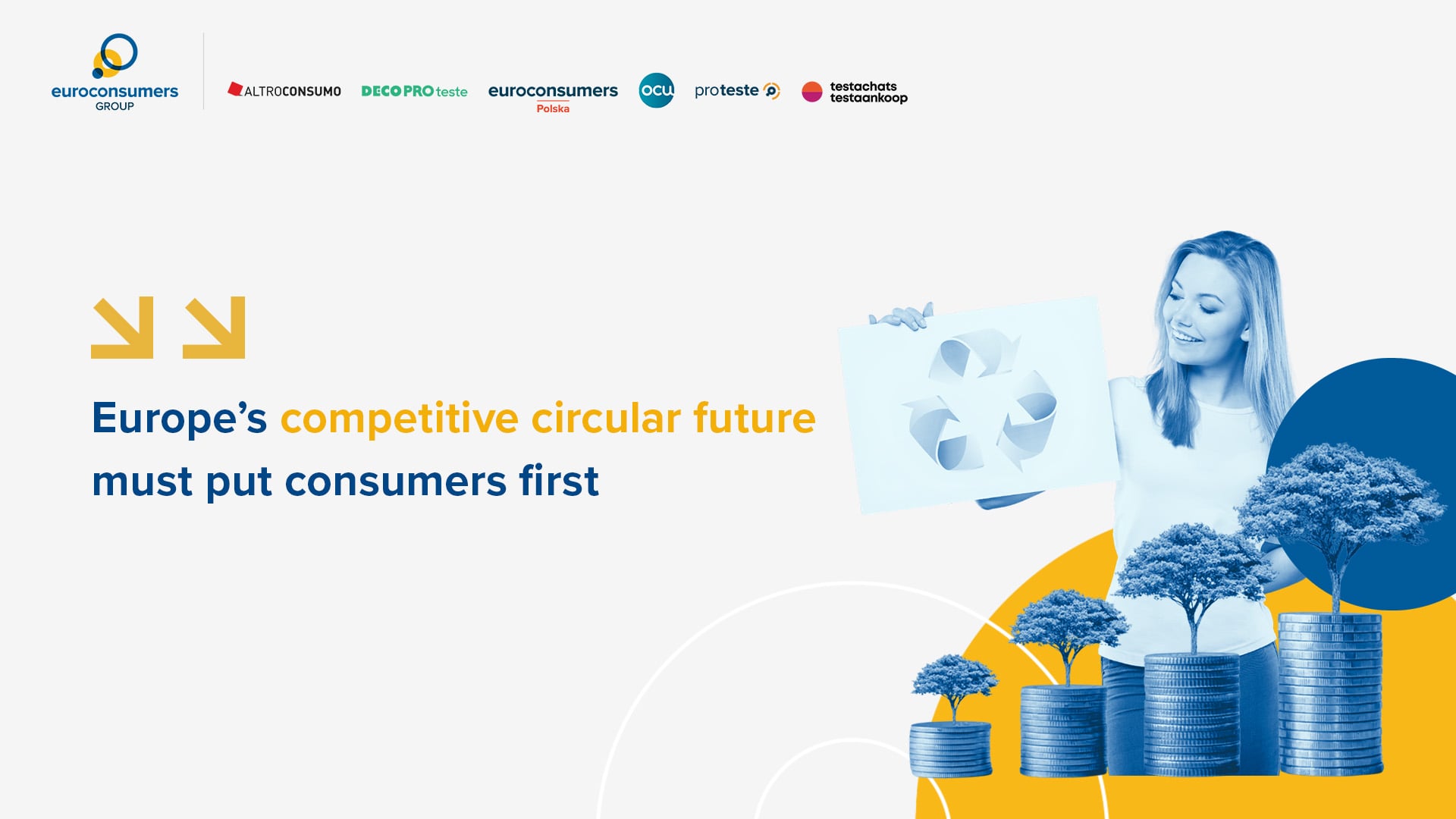
The EU Circular Economy Act aims to build a world leading circular system by 2030 - here’s why consumers will determine whether it succeeds
Read More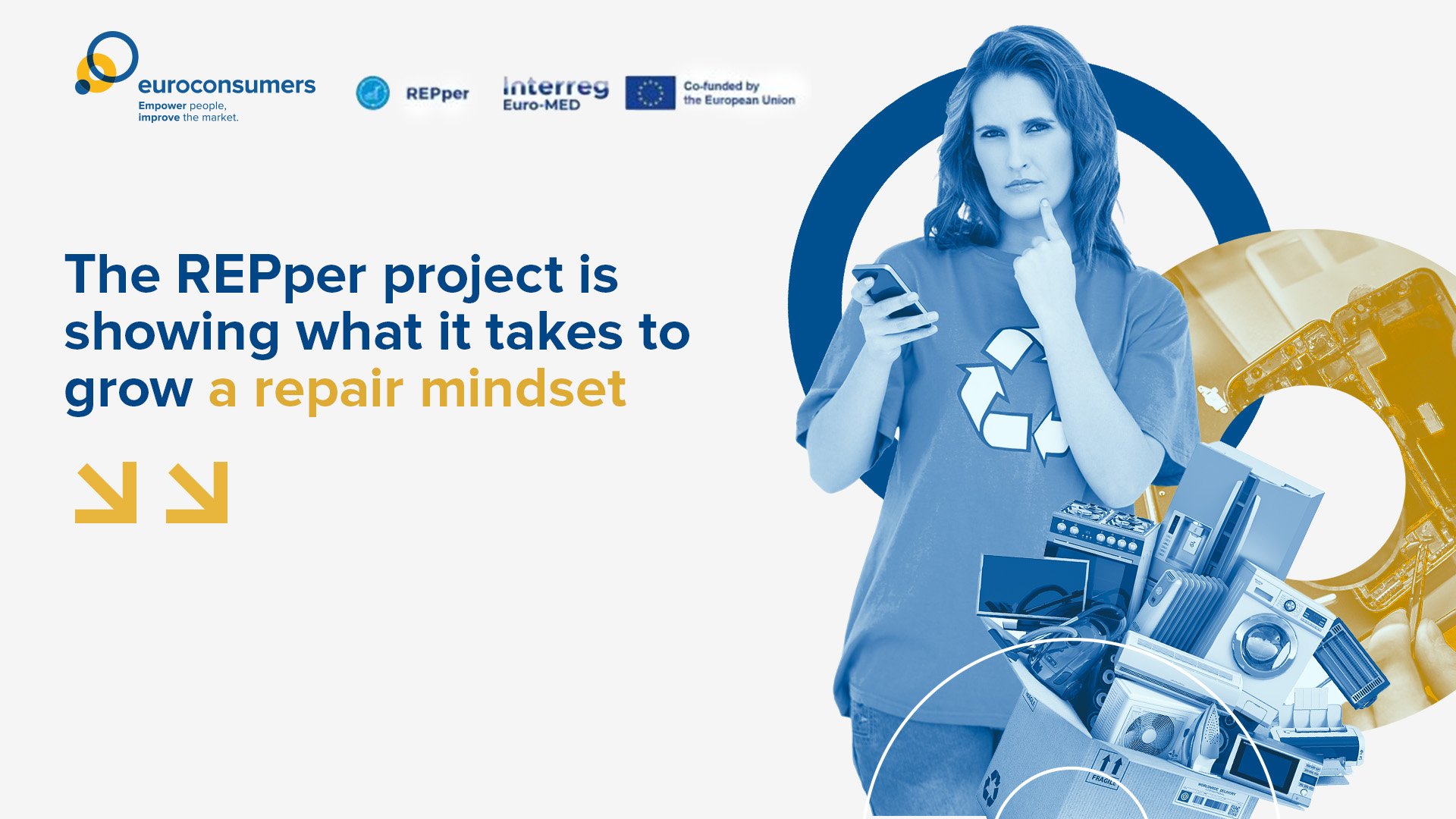
As part of the REPper project, Altroconsumo, OCU and DECOProteste are taking action to make repair the preferred option for people if their products break down too soon.
Read More